 Decentraland
 virtual world assets and how they trade
Decentraland is a social virtual world where people explore community-built spaces, create experiences, and trade assets recorded on a blockchain. Participation can begin without buying anything. Purchases transfer assets, LAND rentals grant publishing access, and scene publishing makes content available to visitors. Each involves different permissions, costs, and commitments.
Signed offers become ownership changes at settlement
A marketplace listing describes an exchange, while successful blockchain settlement carries out the payment and transfers the asset to its recipient. The distinction matters because an advertised item, a signed offer, and a completed purchase represent different states. A signature can authorize a trade someone else executes later, subject to its terms. It isn’t necessarily an immediate transfer, and it isn’t merely a login confirmation.
Decentraland’s marketplace contracts check trade conditions such as expiration and signature validity before execution. Token permissions also affect whether the contract can move the required assets. An expired offer or missing approval can prevent completion even when an item remains visible in an interface.
Exploration starts before an asset purchase
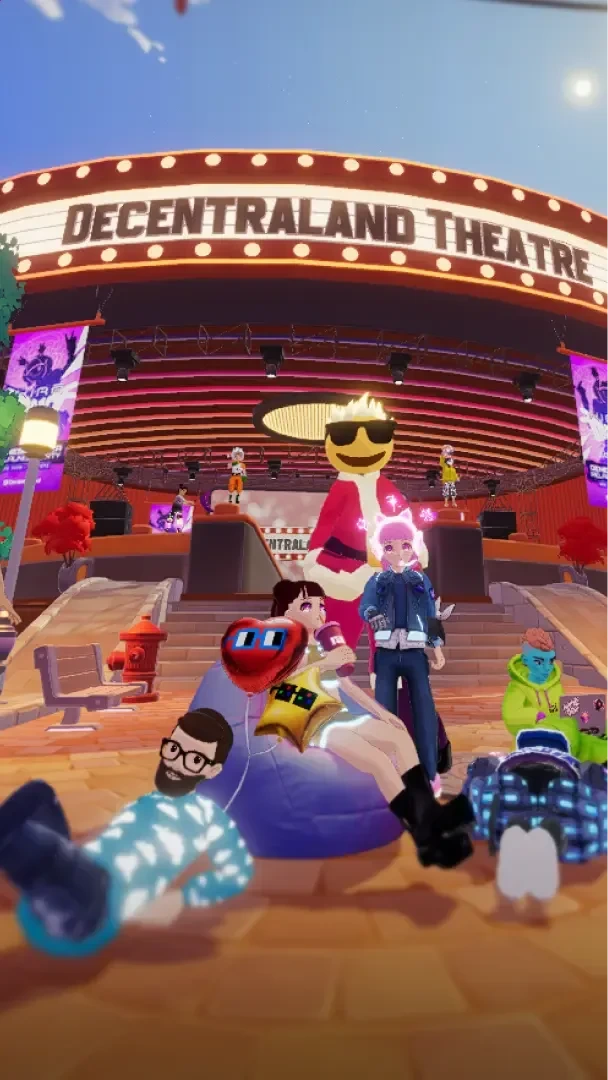
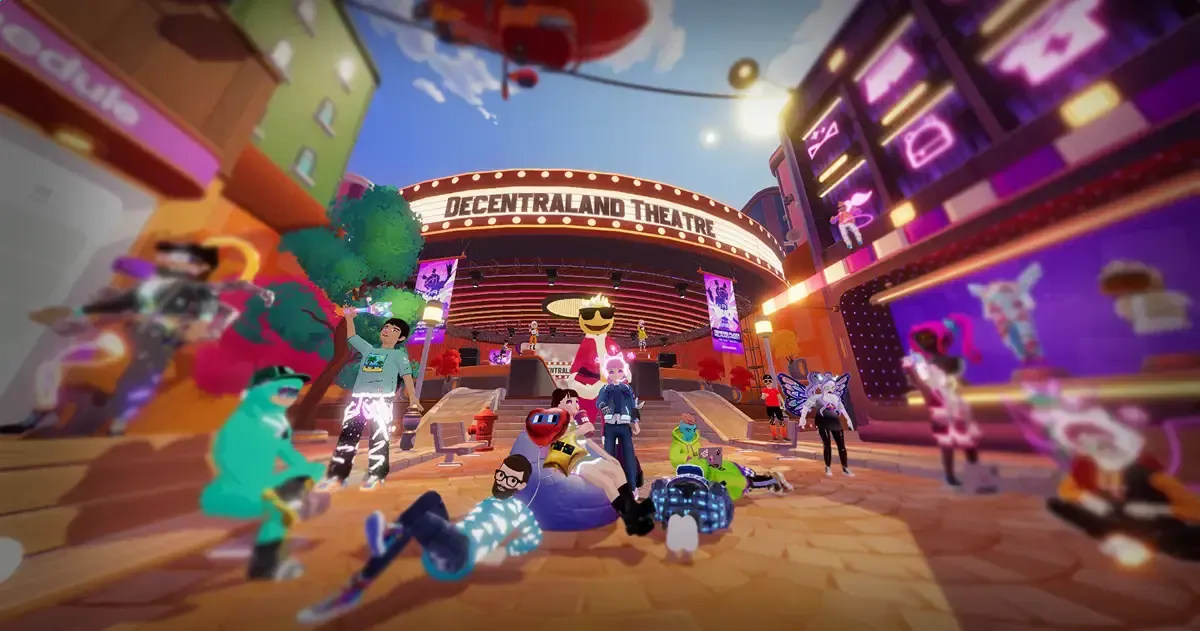
Free access allows people to explore Genesis City, visit Worlds, and join social activities without first purchasing virtual land or cryptocurrency. Genesis City is the shared map of parcels; Worlds are separate spaces reached through teleportation. Community events and avatar customization provide other entry points. Free base Wearables and Emotes support participation without a marketplace purchase. Accounts can use supported social sign-in or an external wallet, and social sign-in creates an associated wallet behind the scenes. That account association matters later because digital purchases belong to a particular wallet, even when the login experience resembles an ordinary app.
MANA, LAND, and avatar items carry different rights
The assets serve different purposes: MANA provides a fungible payment token, LAND identifies virtual parcels, and avatar collectibles supply appearance or animation content.
MANA and payment balances
MANA follows the ERC-20 token standard, which makes its units interchangeable within the same token contract. Holding it provides a balance usable for supported payments; it doesn’t assign a parcel or publish a scene. Network location also matters. The marketplace uses Ethereum for LAND and Estates, while most Wearables and Emotes use Polygon. A balance on one network doesn’t automatically become spendable on the other.
LAND parcels and Estates
LAND tokens follow the ERC-721 standard for non-fungible tokens. Each parcel corresponds to a distinct position in Genesis City. Estates group directly adjacent parcels for combined management, and their owners can add or remove eligible parcels. The group therefore has contents worth examining, beyond its displayed name. Buying the token establishes control over the virtual asset; scene creation remains a separate task.
Wearables, Emotes, and NAMEs
Wearables change an avatar’s appearance, while Emotes provide animations. Their practical value includes whether the item produces the appearance or movement its owner wants. NAMEs provide unique identities and can also support a World. These assets have different functions, so a collectible purchase shouldn’t imply LAND access or permission to edit somebody else’s experience.
Should you buy LAND or rent it?
Renting suits a defined period of publishing access, while buying suits ownership beyond a rental term, subject to the available listing and total cost. For LAND offered through both options, compare the money committed for access over the same intended period. The tenant pays the daily price in MANA multiplied by the selected number of days, upfront. Buying requires the purchase price, with future resale proceeds uncertain.
- Choose rental access when the offered duration covers the intended use.
- Choose ownership when continued control justifies the purchase commitment without assuming a later sale.
- Compare each option’s payment, required approvals, and transaction costs before authorizing it.
- For a rental, identify the address that will receive operator permissions.
- For a purchase, identify the recipient wallet and the exact parcel or Estate contents.
After the chosen transaction settles, the rental record should identify its period and operator, or the purchase should show the acquired asset under the recipient’s ownership. An approval alone establishes neither outcome. If the transaction hasn’t completed, resolve its status before making another commitment.
Marketplace deductions and network costs have different causes
The cost of acquiring an asset combines its agreed payment with any applicable transaction or payment-service charges, while sale deductions affect the recipient’s proceeds. The buyer’s total outlay and the seller’s net receipt won’t necessarily match the displayed item price.
The marketplace contract design distinguishes fees paid to the DAO from royalties paid to creators. For Polygon collection items, primary sales mint an item and pay a marketplace fee; secondary sales apply creator royalties. Ethereum asset trades have their own fee handling. These deductions follow the relevant contract configuration and sale type. Gas reflects blockchain execution, and required approval transactions can add separate costs. Review the particular checkout and authorization details rather than treating one advertised percentage as the complete cost.
Transaction history and inventory should agree
A completed purchase should connect the intended asset, successful transaction, recipient address, and resulting ownership record, rather than rely on a changed marketplace button.
The asset’s contract and token identifier distinguish it from similarly named items. A display name or image alone can’t establish identity. Account selection matters too: an item sent to an external wallet won’t appear under a different wallet created through social sign-in. The LAND Manager provides activity history with transaction statuses, which helps distinguish a recorded transfer from an operation awaiting completion.
Blockchain ownership and the app’s presentation are separate layers. When they disagree, the useful question is whether the transaction succeeded for the expected asset and recipient. A missing inventory image doesn’t by itself establish that the payment failed. Conversely, a submitted transaction isn’t proof the purchase completed. Reconciliation should begin with the existing transaction, not an assumption that another purchase will repair the display.
Publishing connects permissions to playable content
Creating an experience requires scene content and permission to publish at its destination; buying an asset alone doesn’t supply either a finished scene or visitors.
Development and deployment
Creator Hub supports scene editing and previews, while the SDK supports programmable interactions. Development can begin without owning LAND. Publishing into Genesis City requires ownership or granted deployment permissions for the relevant parcels, and scenes spanning multiple parcels require adjacency. Scene limits constrain the content a destination can accommodate. A project that runs locally still needs a valid destination, suitable permissions, and a successful deployment before others can visit it.
Worlds and delegated access
Worlds provide another publishing destination outside Genesis City’s parcel map. A supported NAME or ENS domain can establish the association, with deployment subject to ownership or delegated permissions. LAND owners can also grant publishing access without selling their tokens. These options support different LAND use cases and off-map experiences without requiring every creator to purchase a parcel. After publication, content servers and the client must deliver and render the scene. Ownership can remain intact even when content has a loading or rendering problem.
Selling, transferring, and ending rental access
An owner can offer an asset for sale or transfer it directly, while a rental ends through its own permission and reclaim rules. A sale listing needs a buyer before it produces proceeds. The asking price establishes proposed terms, not a cash balance or a promised exit value. Net proceeds also reflect the applicable deductions when a sale completes.
A direct LAND transfer changes ownership without creating a marketplace sale. The sender can’t reverse a completed transfer unilaterally, so the destination address matters before confirmation. Removing a listing or cancelling an outstanding authorization concerns a future transaction; it doesn’t undo an executed sale. Closing the app likewise leaves recorded ownership and existing blockchain permissions unchanged.
Rental expiry doesn’t automatically return operator permissions to the LAND owner. The owner can reclaim through a transaction or arrange another rental. Previous permissions remain until reclaim or a new rental replaces them, so an elapsed term doesn’t establish continuing entitlement. Rented LAND also can’t be sold until the owner claims it back.
Governance decisions affect the surrounding economy
The DAO gives eligible asset holders a way to influence platform decisions, including community funding and aspects of marketplace and LAND contract management. Participation uses voting power under the proposal’s rules. Discussion, approval, and implementation remain distinct: a proposal’s success doesn’t itself prove every resulting change has taken effect. This matters when evaluating a feature or funding announcement. Social activity, maintained experiences, and creator work also shape what visitors encounter, while token ownership supplies specific rights. The decision to spend changes when the required right changes: participation, publishing access, and ownership each call for a different commitment.
Key questions about Decentraland
Can I use the same Decentraland account on desktop and mobile?
You can use the same account on desktop and mobile, with the same avatar, inventory, and friends. Progress within an individual experience depends on how its creator saves it. Apps are available for Windows, macOS, iOS, and Android. Device compatibility still depends on the app’s hardware and operating-system requirements; account continuity doesn’t mean every device can run it.
Do I need cryptocurrency to pay for Wearables?
Supported marketplace purchases can use debit or credit cards, so holding cryptocurrency beforehand isn’t always necessary. Available payment methods depend on the item, location, and payment provider. Some payment or cryptocurrency-purchase services require identity verification. Those requirements belong to the selected payment service and can differ from the requirements for simply exploring the world.
Why does one Wearable hide another item on my avatar?
Wearables can contain rules that hide or replace other clothing categories when equipped. Their metadata also specifies representations for supported body shapes. An item disappearing from the avatar can therefore reflect the outfit’s display rules rather than a loss of ownership. The equipped combination and the inventory record describe different things.
How does an Estate purchase account for changes to its parcels?
An Estate has a fingerprint that changes when parcels are added or removed. A trade using an expected fingerprint can reject execution if the Estate’s contents no longer match. This protects the agreed composition only when the marketplace transaction includes that check; the Estate’s name or token identifier alone doesn’t establish unchanged contents.
When does a token balance change affect a governance vote?
Voting power for an individual proposal uses the balance snapshot associated with that proposal’s creation. A later change in holdings therefore affects subsequent proposals rather than rewriting the voting weight already established for that proposal. Its voting-power display and proposal rules determine the applicable weight, rather than the wallet’s latest balance alone.
Does blocking a player stop their messages?
Blocking a player prevents their friend requests and messages, hides their avatar from your view, and hides your messages from each other in public and private chats. These are social-account controls. They don’t reverse an asset transfer or alter the ownership recorded by a blockchain transaction.
Can a smart contract wallet participate in LAND rentals?
A smart contract wallet used by a LAND owner needs compatible signature validation to authorize rental listings and NFT reception support to reclaim LAND. The rental contract uses EIP-1271 to validate its signatures. The wallet also needs the ERC-721 receiver callback to receive LAND during reclaim; missing that support can prevent recovery through the reclaim operation.
· last updated